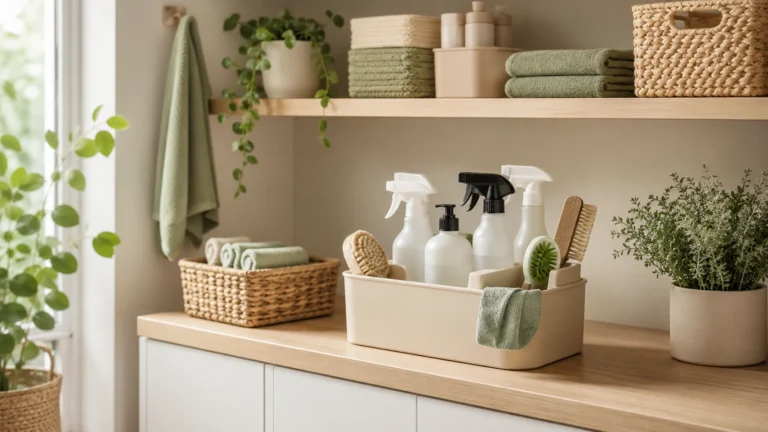
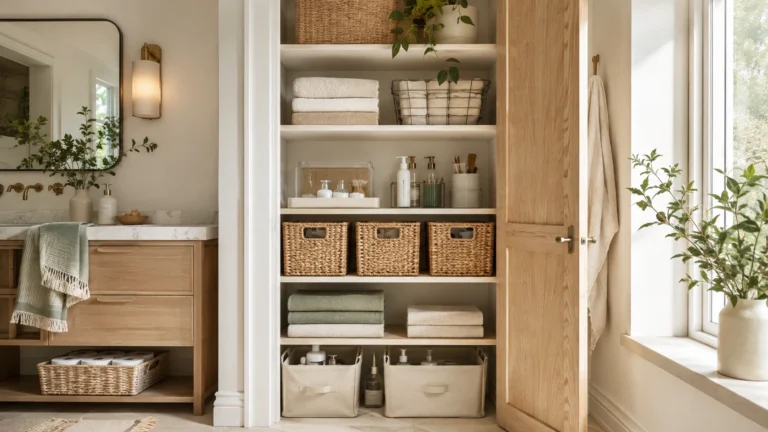
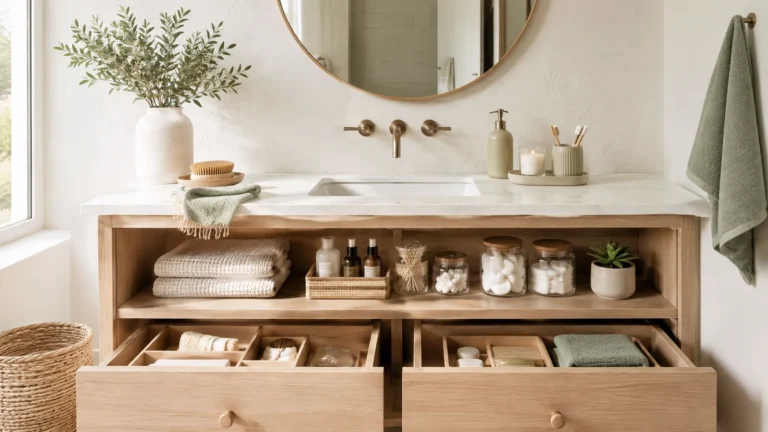
Organize a Linen Closet by Shelf Depth and Everyday Access
A linen closet is easier to maintain when you can retrieve one set without pulling apart a stack. Measure the shelf depth, sort linens by where they are used and reserve the easiest access for the items you change most often.
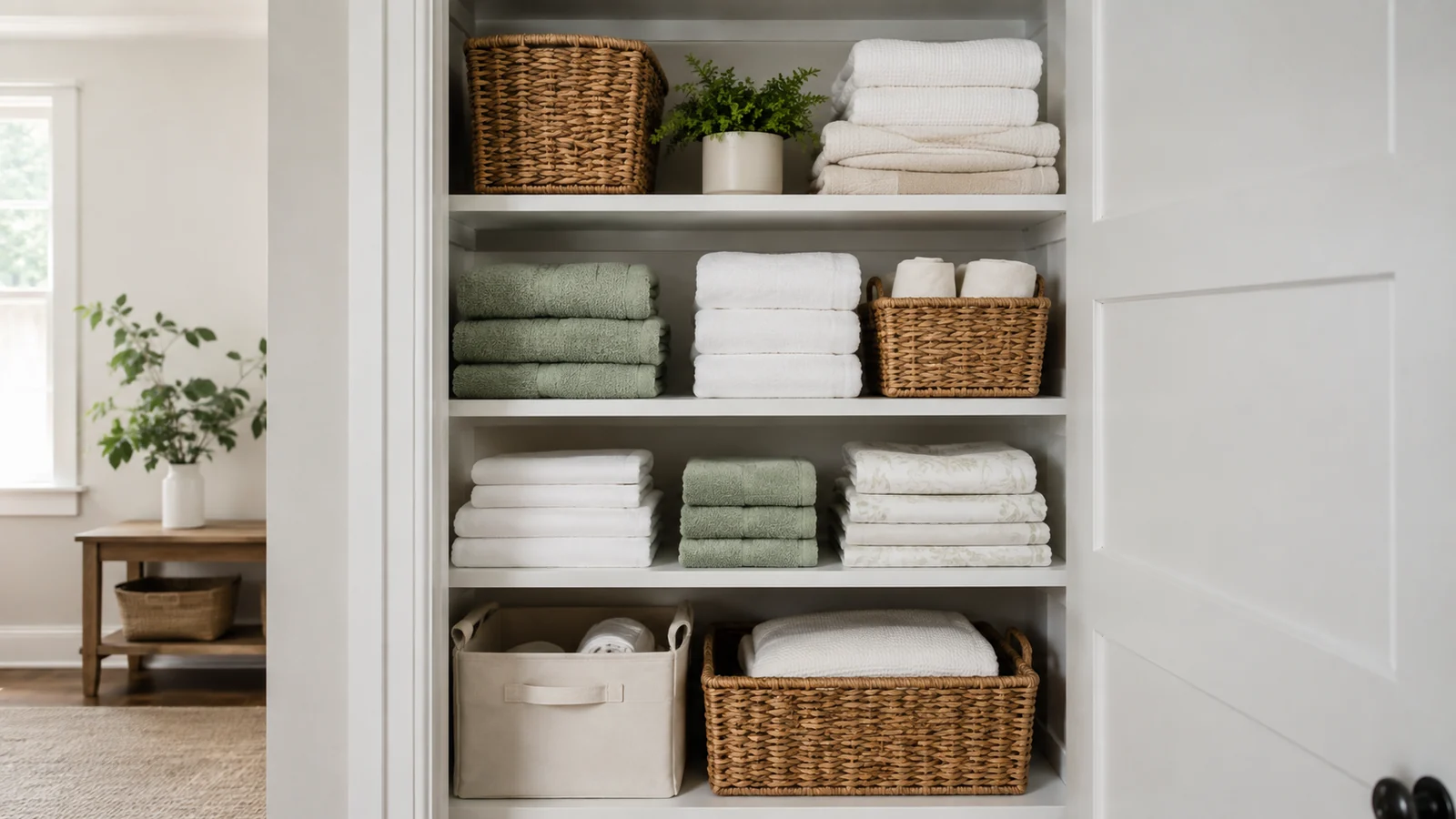
A linen closet is easier to maintain when you can retrieve one set without pulling apart a stack. Measure the shelf depth, sort linens by where they are used and reserve the easiest access for the items you change most often.
Assign shelves according to use
| Shelf position | Good candidates | Access check |
|---|---|---|
| Easy to reach | Everyday towels and regularly used bedding | One item comes out without moving a whole category |
| Higher or less convenient | Light seasonal or occasional linens | The storage can be reached safely |
| Deep rear space | Identified backups | The front row does not hide what is behind |
| Small compartments | Washcloths and similar loose items | Categories remain visible rather than mixed |
Empty One Section at a Time
You do not need to empty the entire closet onto the floor. Work shelf by shelf. This keeps the project manageable and lets you finish one area before moving on.
Group Linens by Category
Create basic groups before putting anything back:
- Bath towels
- Hand towels and washcloths
- Bed sheets
- Pillowcases
- Blankets
- Guest linens
- Extra bathroom supplies
Grouping similar items makes it easier to see duplicates and decide how much space each category needs.
Remove Worn or Unused Linens
Set aside towels that are badly worn, sheets that no longer fit your beds, and items you consistently avoid using. Depending on condition and local options, these may be donated, recycled as textiles, or repurposed as cleaning cloths.
Give the Best Shelves to Everyday Items
Store the items you reach for most often between waist and eye level. Less-used guest linens, seasonal blankets, or backups can go higher or lower.
Fold Towels Consistently
A consistent fold is not only about appearance. Similar-sized stacks are more stable and make it easier to see how many towels you have. Choose a fold that fits the depth and width of your shelves.
Keep Sheet Sets Together
One useful method is to fold the fitted sheet, flat sheet, and one pillowcase together, then place the set inside the remaining pillowcase. This keeps matching pieces from separating.
Use Baskets for Small Categories
Woven or fabric baskets work well for washcloths, spare toiletries, cleaning cloths, or small guest items. Use containers to define a category, not simply to hide clutter.
Avoid Overfilling Shelves
Leave enough room to remove one stack without disturbing everything around it. If every shelf is packed tightly, the closet will be difficult to maintain even if it looks organized on day one.
Store Backups Behind or Above Daily Supplies
If you keep extra toiletries or household supplies in the linen closet, place open or current-use items in front and backups behind them. This helps prevent buying duplicates unnecessarily.
Simple Linen Closet Zones
- Top shelf: seasonal or guest linens
- Middle shelves: everyday towels and sheets
- Lower shelf: baskets with small items
- Floor area: bulky items only if the space remains accessible
How to Keep the Closet Tidy
- Return clean linens to the same shelf each time.
- Do not place unrelated clutter in empty spaces.
- Review backups before buying more.
- Reset leaning stacks when putting laundry away.
- Do a quick seasonal review.
Frequently Asked Questions
Should a linen closet be labeled?
Labels can help households with several users, but they are optional. Clear shelf categories are often enough.
How many sheet sets should I keep?
The right number depends on your household and laundry habits. Keep enough for normal use and realistic backup needs without overcrowding the closet.
Give each bedding set an identity
Keep the fitted sheet, flat sheet if used and matching cases together. Label by bed size or room when appearance alone will not distinguish sets. A simple label helps more than elaborate folding if different beds use similar fabrics.
Check whether piles catch on the door or require compression to fit. Reduce the stored category before filling every gap with another bin. Only store fully dry linens, and leave any service access or cabinet ventilation requirements clear.
Browse more practical Tidy Home Lab guides for this part of your home.
Explore Organizing →Related Guides