Monthly Home Maintenance Checklist: Record Checks and Assign Follow-Up
A monthly maintenance checklist is useful when each observation leads to a clear next action. Walk through accessible areas, look for changes and record anything that needs cleaning, manufacturer-guided maintenance or qualified repair.

A monthly maintenance checklist is useful when each observation leads to a clear next action. Walk through accessible areas, look for changes and record anything that needs cleaning, manufacturer-guided maintenance or qualified repair.
Give every finding an action owner
| Observation | Practical next action | Record |
|---|---|---|
| Fresh dampness under a sink | Investigate safely and report or arrange repair | Location, time and visible water |
| An equipment reminder is due | Check the exact model’s instructions | Model, required task and completion date |
| A loose handle or sticking door | Determine whether ordinary adjustment is appropriate | What changed and whether it affects use |
| A recurring stain or smell | Seek the source rather than repeatedly covering it | Photos and previous attempts |
How to Use This Monthly Checklist
You do not need to inspect the entire house in one long session. Set aside 30 to 60 minutes once a month and walk through the same basic areas.
Keep a note on your phone or a small home-maintenance log. Record anything that needs attention and schedule repairs instead of relying on memory.
1. Check for Water Leaks
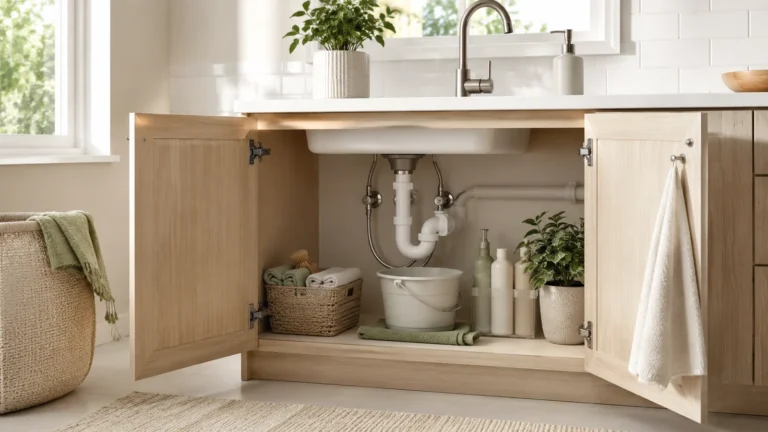
Look under sinks, around toilets, near the washing machine, dishwasher, water heater, and other plumbing fixtures.
Watch for:
- Damp cabinet floors
- Water stains
- Dripping connections
- Musty odors
- Unexpected moisture
Even a small leak can damage cabinets, flooring, or walls over time, so investigate unusual moisture promptly.
2. Inspect Sinks, Tubs, and Showers
Check caulk, grout, drains, and visible fixtures. Look for areas where water may be escaping beyond the intended wet area.
Clean slow drains as appropriate for your plumbing system, and address cracked or failing seals before water reaches surrounding materials.
3. Review HVAC Filters and Vents
Check your heating and cooling system’s filter according to the manufacturer’s recommendations. Some filters need frequent attention, while others are designed for longer service intervals.
Also make sure supply and return vents are not blocked by furniture, rugs, or stored items.
4. Test Safety Devices
Follow the manufacturer’s instructions for smoke alarms, carbon-monoxide alarms, and other safety devices in your home.
Monthly visual checks are useful, but testing and battery replacement schedules should follow the device instructions and applicable local guidance.
5. Look at Doors and Windows
Open and close frequently used doors and windows. Check for loose hardware, damaged screens, sticking locks, or gaps that appear to be worsening.
Seasonal temperature changes can affect how doors and windows fit, so small adjustments may occasionally be needed.
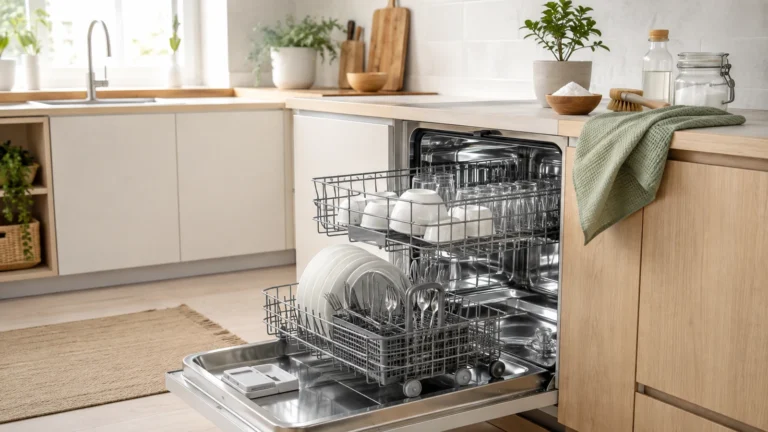
6. Check Around Appliances
Look behind and around major appliances where practical and safe to do so.
Pay attention to:
- Unusual water
- Damaged hoses
- Loose connections
- Unusual noises
- Excessive dust around accessible vents
Always disconnect power or follow the manufacturer’s safety instructions before performing maintenance that requires access to internal or electrical components.
7. Clean Frequently Used Exhaust Fans
Kitchen and bathroom exhaust fans can collect dust and grease. Check accessible covers and clean them as appropriate.
Good airflow helps these systems work more effectively, particularly in spaces where moisture or cooking residue accumulates.
8. Inspect the Refrigerator Area
Check door seals for obvious damage and wipe spills from shelves and drawers. If your refrigerator model requires coil or vent cleaning, follow the manufacturer’s recommended schedule and method.
9. Review the Laundry Area
Check washing-machine hoses for obvious wear or leaks and keep the area around appliances clear.
Clean the dryer lint filter as directed by the appliance manufacturer and follow the recommended schedule for vent maintenance. Lint buildup should not be ignored.
10. Check Cabinets and Storage Areas
Open cabinets under plumbing fixtures and inspect less-visible storage areas. These spaces can hide leaks, pest activity, or moisture problems because they are not seen every day.
11. Walk Around the Exterior
If you can safely do so, walk around the outside of your home and look for obvious changes.
Examples include:
- Loose exterior materials
- Blocked drainage areas
- Standing water
- Damaged screens
- Vegetation touching areas where it should not
Do not climb onto roofs or use unsafe ladders for a routine visual check. Hire an appropriate professional when inspection requires specialized access.
12. Check for Pest Activity
Look for droppings, damaged packaging, unusual holes, or other signs of pests in kitchens, pantries, garages, and utility areas.
Early action is generally easier than dealing with a larger infestation later.
13. Review Your Home Maintenance Notes
At the end of the monthly check, review unresolved items from previous months. Small tasks are easy to postpone when they are not written down.
Separate tasks into three groups:
- Do now
- Schedule soon
- Monitor
A Simple 30-Minute Monthly Routine
If you want to keep the process short, use this order:
- 10 minutes: kitchen, bathrooms, and plumbing
- 5 minutes: appliances and laundry area
- 5 minutes: safety devices and HVAC visual checks
- 5 minutes: doors, windows, and storage areas
- 5 minutes: exterior walk-around and notes
Tasks That May Belong on a Seasonal Schedule Instead
Some jobs do not need monthly attention. Depending on your home and climate, these may include gutter cleaning, exterior sealing, heating-system service, air-conditioning service, chimney inspection, or irrigation maintenance.
Keep a separate seasonal checklist so monthly maintenance remains short and realistic.
Frequently Asked Questions
Do I need to perform every maintenance task myself?
No. Use professionals for tasks that involve electrical systems, gas, roofing, specialized equipment, hazardous materials, or anything you are not trained or equipped to handle safely.
What is the most important monthly home check?
Water leaks and unusual moisture deserve particular attention because small problems can cause significant damage when they go unnoticed.
How should I track home maintenance?
A simple note, spreadsheet, calendar reminder, or home-maintenance app can work. The best system is one you will actually review regularly.
Set a baseline before comparing months
The first walk-through creates a reference. Photograph existing marks and note equipment details so next month’s review can distinguish a familiar cosmetic mark from new damage. Use reminders only for tasks that actually apply to your home.
Renters can keep the same record and send relevant findings to the property manager. Safety devices, filters and service tasks follow their manufacturer schedules; a monthly reminder should not replace those instructions. Use the detailed checklist below to build your home’s version.
Browse more practical Tidy Home Lab guides for this part of your home.
Explore Home Care →Related Guides