Kitchen Maintenance Checklist: Notice Leaks, Loose Parts and Equipment Changes
A kitchen maintenance check follows the room's equipment and connections. Observe accessible areas around water, appliances, doors and surfaces, then record changes that need cleaning, manufacturer-guided care or qualified service.

A kitchen maintenance check follows the room’s equipment and connections. Observe accessible areas around water, appliances, doors and surfaces, then record changes that need cleaning, manufacturer-guided care or qualified service.
Link the observation to a suitable follow-up
| Area | What to notice | Follow-up |
|---|---|---|
| Under the sink | Fresh water or altered cabinet condition | Investigate safely or report for repair |
| Cabinet hardware | New looseness or changed movement | Appropriate adjustment or service |
| Dishwasher area | Unusual water, noise or poor operation | Check its manual and arrange service if needed |
| Cooking equipment | New damage or unexpected behavior | Follow the manufacturer’s safety and service guidance |
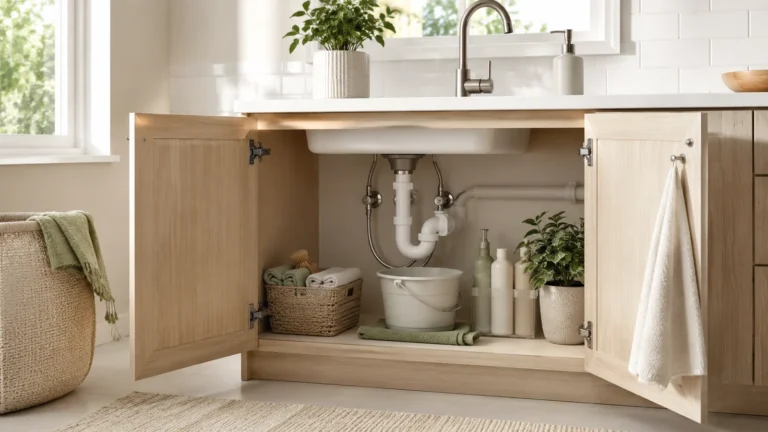
Check Under the Sink
Look for drips, damp cabinet surfaces, swelling, staining, or unusual odors. Catching a small leak early can prevent damage to cabinetry and flooring.
Inspect Faucet and Sink Edges
Look for persistent moisture around the faucet base and sink rim. If sealant is cracked or separating, determine the correct repair method for your sink and countertop materials.
Review the Refrigerator Area
Keep the refrigerator interior reasonably clean and follow the appliance manual for filters, clearances, coils, and ventilation requirements. If accessible components require cleaning, use the manufacturer’s specified method.
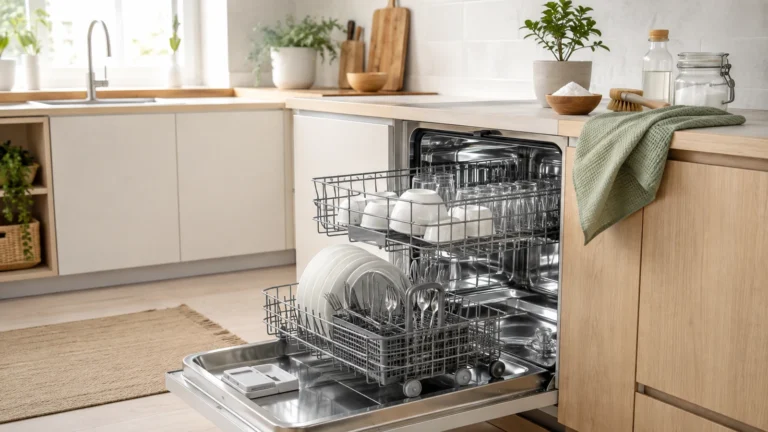
Check the Dishwasher
Clean filters and accessible areas according to the dishwasher manual. Watch for leaks, unusual noises, poor drainage, or recurring residue that may require service.
Inspect the Range and Hood
Keep cooking surfaces clean using methods appropriate for the appliance. Clean or replace hood filters according to the manufacturer’s schedule so ventilation can operate as designed.
Look at Cabinet Hinges and Handles
Tighten loose hardware only when it is straightforward and safe to do so. Small adjustments can prevent doors from sagging or handles from damaging the cabinet face.
Check Countertop Seams and Edges
Look for chips, loose trim, damaged caulk, or areas where water can penetrate. Follow the countertop manufacturer’s maintenance instructions.
Review Frequently Used Small Appliances
Inspect cords, plugs, and appliance bodies for visible damage. Stop using damaged electrical equipment and seek appropriate repair or replacement rather than attempting unsafe fixes.
Clean High-Touch Areas
Handles, switches, drawer pulls, and appliance controls collect everyday residue. Include them in routine cleaning with surface-compatible products.
Keep Ventilation Paths Clear
Do not block appliance vents or room ventilation openings with storage, towels, or decorative objects.
A Monthly Five-Minute Kitchen Check
- Look under the sink.
- Check appliance fronts and seals.
- Review hood/filter condition.
- Inspect cabinet hardware.
- Look for moisture or damaged caulk.
Our broader monthly home checks can be used alongside this kitchen-specific list.
Keep cleaning findings separate from equipment faults
A dirty handle can be addressed during ordinary kitchen cleaning. An unexplained leak, burning smell or electrical problem needs its own response. Do not keep using malfunctioning equipment while treating the symptom as a cleaning task.
Write down the model number where practical and keep the observation date. This makes a service request more precise and helps compare later checks. The list below covers visible observations; it does not require opening appliance panels or handling gas or electrical components.
Browse more practical Tidy Home Lab guides for this part of your home.
Explore Home Care →Related Guides