Seasonal Home Maintenance: Build a Checklist for Your Climate
Seasonal home maintenance should follow the weather your home actually experiences. Use the change in conditions as a reminder to review drainage, moisture, equipment schedules and access, then add only the jobs relevant to your building.
Seasonal home maintenance should follow the weather your home actually experiences. Use the change in conditions as a reminder to review drainage, moisture, equipment schedules and access, then add only the jobs relevant to your building.
Plan around the next weather change
| Coming condition | Accessible area to review | Follow-up to arrange |
|---|---|---|
| A rainy period | Known leak locations and drainage observations | Qualified help for blocked, damaged or unsafe areas |
| Colder weather | Window moisture and equipment instructions | Required heating service and local freeze precautions |
| Warmer weather | Cooling guidance and shaded storage conditions | Manufacturer-scheduled equipment care |
| A long absence | Food, deliveries and home-specific arrangements | The responsible person’s contact and instructions |
Spring Home Maintenance
- Inspect visible exterior areas for winter damage.
- Check doors and windows for obvious gaps or damaged screens.
- Review drainage areas and gutters where safely accessible.
- Clean or inspect outdoor furniture before regular use.
- Check cooling equipment according to manufacturer guidance.
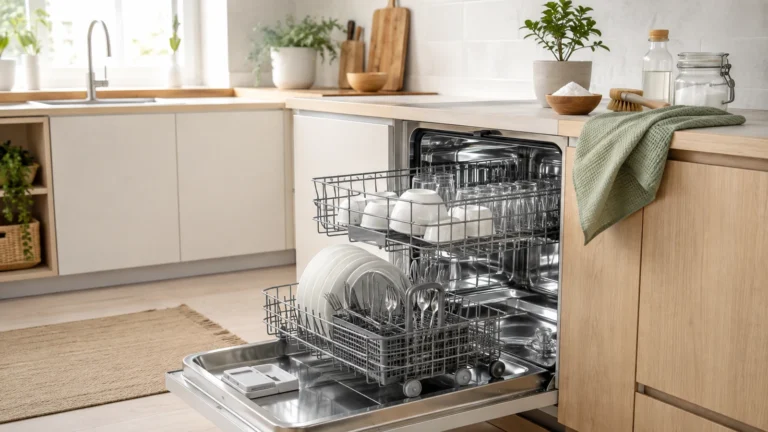
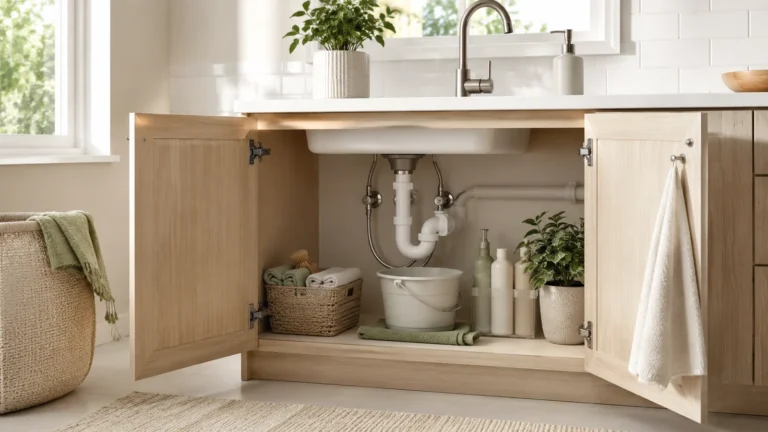
- Look for moisture or leaks in basements, utility spaces, and under sinks.
Summer Home Maintenance
- Keep air-conditioning vents and returns unobstructed.
- Inspect outdoor water use and irrigation for obvious leaks.
- Check decks, patios, and exterior walking surfaces for safety issues.
- Review window screens and frequently used doors.
- Keep vegetation from blocking vents or important exterior components.
Fall Home Maintenance
- Prepare heating systems according to manufacturer recommendations.
- Check weather sealing around frequently used doors and windows.
- Clear leaves from appropriate drainage areas where safe to do so.
- Store or protect seasonal outdoor items.
- Review exterior lighting as days become shorter.
- Check smoke and carbon-monoxide alarm instructions and schedules.
Winter Home Maintenance
- Watch for indoor moisture or condensation problems.
- Keep heating vents and radiators clear.
- Check exposed plumbing areas that may be vulnerable in cold climates.
- Monitor entryways for water, snow, or slip hazards.
- Review emergency supplies appropriate for your region.
Tasks to Check More Than Once a Year
Some systems need attention more frequently than a seasonal checklist suggests. Filters, alarms, appliance maintenance, dryer vents, and plumbing checks should follow manufacturer instructions and local safety guidance.
Create a Home Maintenance Record
Keep a simple list of dates for inspections, professional service, replacements, and repairs. A record helps you remember what was done and can make future maintenance decisions easier.
Separate DIY Checks from Professional Work
Visual checks and basic cleaning may be suitable for many homeowners, but electrical, gas, roofing, structural, or specialized mechanical work should be handled by qualified professionals when appropriate.
A Simple Seasonal Review Method
- Walk through the interior.
- Check utility and moisture-prone areas.
- Walk around the exterior from ground level.
- Review appliance and system schedules.
- Write down tasks that need repair or professional service.
Frequently Asked Questions
Do all seasonal tasks need to happen on the first day of the season?
No. Use each season as a convenient planning window and choose dates that suit your local weather and household schedule.
What if I live in a mild climate?
Adjust the list to the conditions your home actually experiences. Seasonal maintenance should reflect local weather, not a generic calendar.
Adapt the seasonal list to ownership and access
An apartment resident may need to report exterior issues rather than perform the work. A detached home’s list may include additional equipment and grounds. Keep that responsibility beside each task so the checklist does not imply that every job is suitable for DIY.
Carry forward unfinished actions from the previous season. The seasonal walk-through adds a weather perspective to your monthly observations; use the equipment manual and local requirements for exact service intervals. Roof, electrical, gas and structural work belongs with appropriately qualified help.
Browse more practical Tidy Home Lab guides for this part of your home.
Explore Home Care →Related Guides