Prevent Bathroom Mold by Tracking Moisture and Helping the Room Dry
Bathroom mold prevention starts with moisture: where water collects, how textiles dry and whether ventilation works as intended. Review those areas after normal use and treat a recurring wet patch as a finding that deserves investigation.

Bathroom mold prevention starts with moisture: where water collects, how textiles dry and whether ventilation works as intended. Review those areas after normal use and treat a recurring wet patch as a finding that deserves investigation.
Follow the water after a shower
| Area | Observation | Practical action |
|---|---|---|
| Glass and other compatible surfaces | Water remains after use | Remove accessible water with an allowed method |
| Towels and mats | Fabric stays folded or bunched while damp | Spread or relocate it for appropriate drying |
| Vanity and corners | Unexpected recurring wetness | Check for a leak or report the finding |
| Room air | Dampness persists well after use | Review suitable ventilation and equipment guidance |
Use Ventilation During and After Showers
Run a properly vented bathroom exhaust fan during showers and for a reasonable period afterward according to the fan and building guidance for your home. If there is no fan, use another safe ventilation method when weather and privacy allow.
Help Wet Surfaces Dry Faster
Water sitting on shower walls, glass, tubs, and window ledges keeps humidity high around those surfaces. A quick squeegee or wipe after use can shorten drying time considerably.
Hang Towels and Bath Mats Openly
Do not leave damp towels in piles or folded over themselves. Spread them so air can move around the fabric. Wash and dry bath mats according to their care labels before they develop a persistent musty smell.
Keep Grout, Caulk, and Corners Clean
Soap residue and grime can hold moisture. Include shower corners, grout lines, and caulked edges in your regular bathroom cleaning routine using products appropriate for the specific surface.
Watch Indoor Humidity
If the bathroom stays damp for long periods, a simple humidity meter can help you understand the pattern. Humidity targets vary by climate and season, so use local building or equipment guidance when deciding whether additional ventilation or dehumidification is appropriate.
Fix Leaks Instead of Cleaning Around Them
Check faucets, toilet connections, shower seals, and visible plumbing when you notice unexpected moisture. A recurring wet spot should be investigated rather than treated as a normal cleaning issue.
Keep Storage Areas Dry
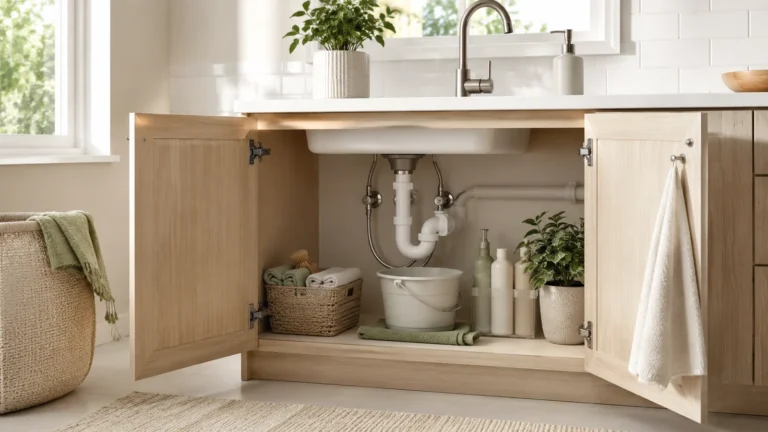
Avoid packing damp towels, cleaning cloths, or wet bath products into closed cabinets. Leave enough room for airflow and wipe spills inside the vanity promptly.
A Five-Minute Prevention Reset
- Run or check ventilation.
- Squeegee or wipe the wettest shower surfaces.
- Hang towels open.
- Pick up wet bath mats if needed.
- Check for any unusual drips or puddles.
When to Get Help
Professional assessment may be appropriate when mold is extensive, keeps returning despite moisture control, appears after flooding or a major leak, or seems to be coming from inside a wall, ceiling, or floor assembly.
Know when ordinary prevention is insufficient
EPA’s home guidance emphasizes fixing moisture sources. It advises getting appropriate help for extensive water damage, contaminated water or suspected hidden problems. Repeatedly painting or caulking over affected material does not resolve the underlying moisture source.
Record where the problem returns and what conditions precede it. Use that record for a property manager or qualified professional. The routine below is for everyday moisture reduction; an existing mold problem may need a different assessment and cleanup process.
Sources and further guidance
Browse more practical Tidy Home Lab guides for this part of your home.
Explore Home Care →Related Guides