Check for Home Water Leaks with a Location and Timing Record
Visible leak checks are more useful when you record where water appears and what happened before it. Inspect accessible connections and nearby surfaces safely, then compare a suspected area after normal household use.
Visible leak checks are more useful when you record where water appears and what happened before it. Inspect accessible connections and nearby surfaces safely, then compare a suspected area after normal household use.
Record the clue without guessing the repair
| Clue | Observation to collect | Appropriate next step |
|---|---|---|
| Water inside a sink cabinet | Location, time and recent sink use | Report or arrange suitable plumbing assessment |
| New ceiling or wall stain | Photo and whether it is changing | Investigate promptly with appropriate help |
| Moisture near a window | Weather, glass location and surrounding marks | Separate condensation clues from water entry |
| Unusual water use | Available meter or bill information | Follow utility or property guidance |
Start Under Sinks
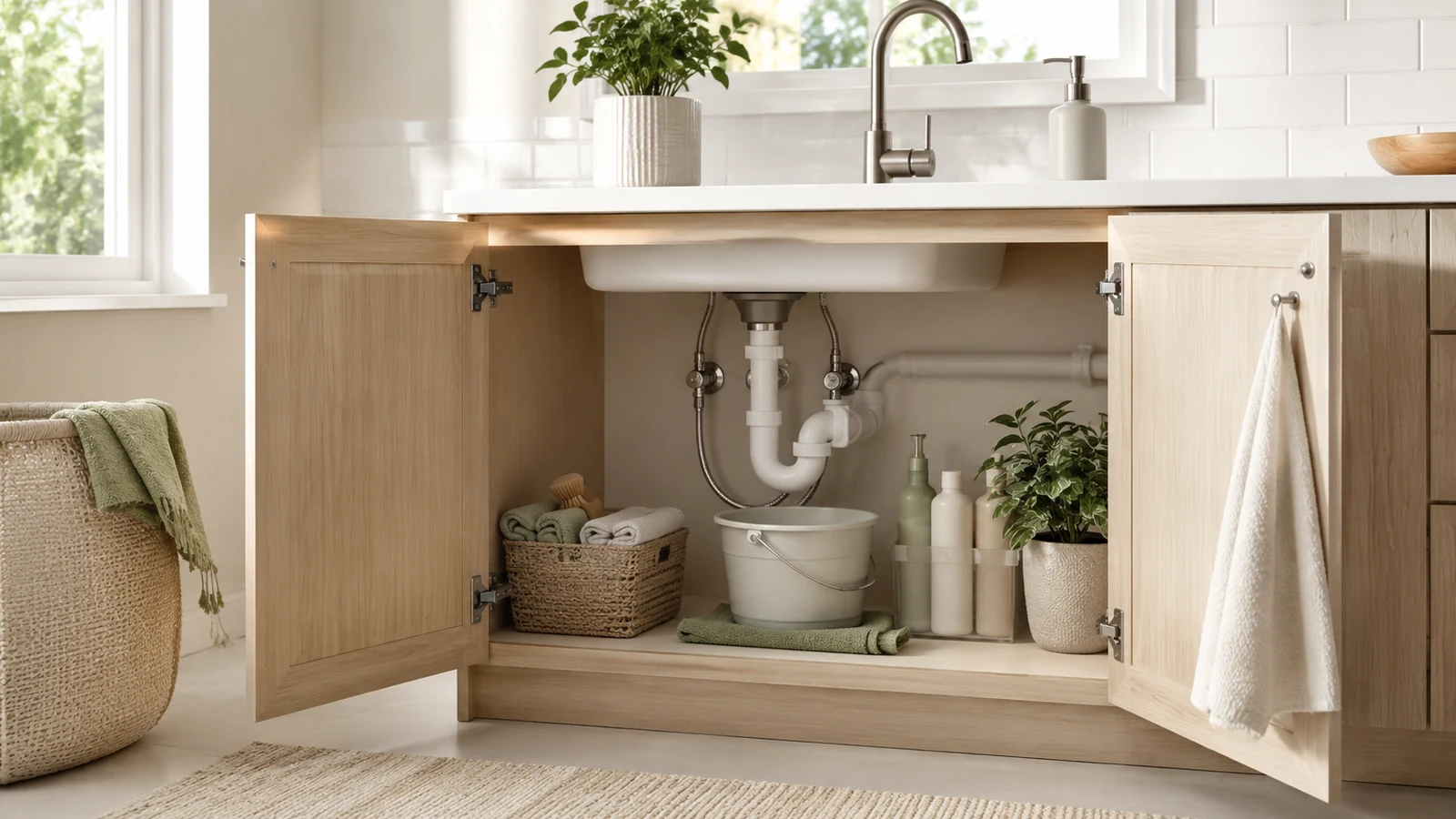
Open kitchen and bathroom cabinets and look around supply lines, shutoff valves, drain connections, and the cabinet base. Watch for dampness, staining, swelling, corrosion, or a musty smell.
Check Toilets
Look around the toilet base and water-supply connection. Water where it should not be, repeated dampness, or movement at the fixture deserves attention.
Inspect Appliance Connections
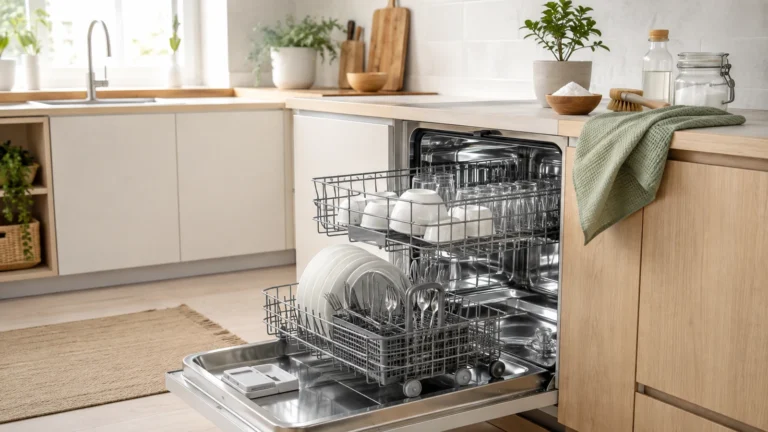
Where safely accessible, look around the dishwasher, washing machine, refrigerator water line, water heater, or other water-using appliances. Follow manufacturer guidance and do not move heavy appliances in a way that could damage connections.
Look Up at Ceilings and Walls
Discoloration, bubbling paint, softened drywall, or a new stain can indicate moisture from plumbing, roofing, or condensation. Track when and where the stain changes.
Check Around Windows and Exterior Doors
After rain, look for damp sills, peeling finishes, or moisture at corners. Not every mark is a plumbing leak, but recurring water should be investigated.
Notice Changes in Water Use
An unexplained increase in water use can be a useful clue. If your utility provides usage data, compare normal patterns and investigate meaningful changes.
Keep Under-Sink Storage Simple
Do not pack cabinets so tightly that pipes and the cabinet floor disappear behind supplies. Leaving visible access makes small drips easier to spot.
A Monthly Five-Minute Leak Check
- Look under kitchen and bathroom sinks.
- Check toilet supply connections and bases.
- Look around visible appliance connections.
- Scan ceilings and walls for new stains.
- Investigate any musty or persistently damp area.
Keep the area available for inspection
Move ordinary storage away from the affected area when safe. Do not hide a new mark beneath a liner, repaint it or keep replacing a soaked cloth without addressing the source.
Avoid touching wet electrical equipment or opening concealed building areas as part of a routine check. An active or serious leak may need an urgent response through the relevant property or service contact. For intermittent problems, your dated observations make the eventual inspection more useful.
Browse more practical Tidy Home Lab guides for this part of your home.
Explore Home Care →Related Guides