Sort Laundry by Care Instructions, Color Transfer and Fabric Behavior
Laundry sorting should start with compatible care instructions, then account for color transfer, fabric behavior and soil. Those checks help you build a load that can share both a washing method and a drying plan.
Laundry sorting should start with compatible care instructions, then account for color transfer, fabric behavior and soil. Those checks help you build a load that can share both a washing method and a drying plan.
Use this sorting order at the hamper
| Check | Separate when | Resulting decision |
|---|---|---|
| Care instructions | Home wash, cycle or temperature requirements differ | Make compatible care groups |
| Color behavior | A new or known bleeding item is present | Follow its label and test guidance before combining |
| Texture and fabric | Lint-producing or snagging pieces may affect others | Keep incompatible surfaces apart |
| Soil or stain treatment | A garment needs individual preparation | Treat appropriately before choosing its load |
Start with Care Labels
The most important sorting information is on the garment label. Check washing temperature, cycle guidance, drying instructions, and any special warnings.
Sort by Color When Needed
A basic color system may include:
- Lights
- Darks
- Strong or new colors
New brightly colored garments may release dye, so follow manufacturer guidance and use extra caution during early washes.
Separate Delicates
Lightweight, delicate, lace, or structured items may need a gentler cycle or separate handling.
Separate Heavy Fabrics
Towels, heavy sweatshirts, and thick items can behave differently from lightweight clothing. Separating them can help improve washing and drying performance.
Consider Soil Level
Heavily soiled work clothes, cleaning cloths, or muddy items may need to be washed separately from lightly worn everyday clothing.
Keep Lint Producers in Mind
Towels and fleece can release lint that may cling to other fabrics. Sorting by fabric type can help when lint transfer is a common problem.
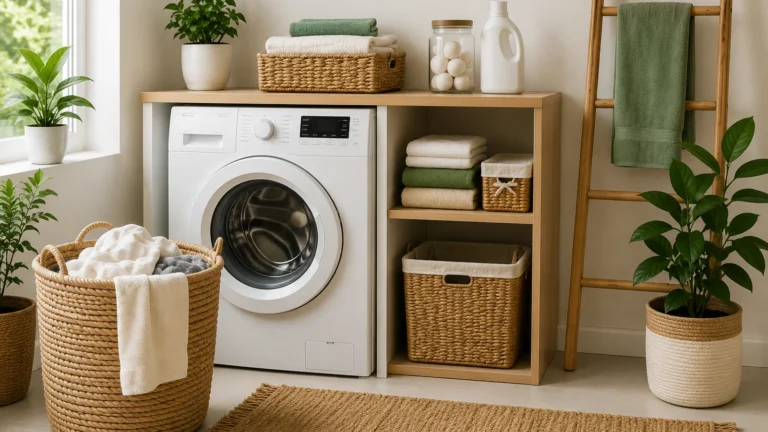
A Simple Three-Basket System
If you want sorting to happen automatically, use three hampers:
- Light everyday clothes
- Dark everyday clothes
- Towels/delicates/special-care items
The third basket can be adjusted based on what your household produces most often.
What About Whites?
Some households keep whites separate, while others wash them with similar light colors. Follow fabric care guidance and your preferred laundry method.
Do You Need to Sort Every Single Item?
No. Some loads contain fabrics and colors that are compatible. The point is to separate items when doing so helps protect the fabric, color, or cleaning result.
Sort Before Laundry Day
Sorting as clothes enter the hamper saves time later. If you do not have space for multiple hampers, use small bags or labeled sections.
A Quick Laundry Sorting Checklist
- Check care labels.
- Separate strong colors if needed.
- Pull out delicates.
- Separate very dirty items.
- Keep heavy lint-producing fabrics in mind.
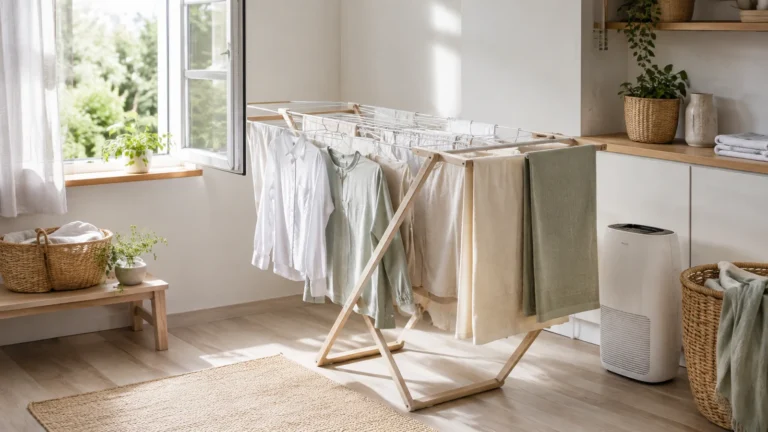
Sort for drying before starting the washer
Some items can share a wash but need different drying methods. Know which pieces must be removed for line or flat drying so they do not automatically follow the rest of the load into a dryer.
Use a separate place for garments awaiting a label check or specialist care. A household with little laundry may use fewer containers and make the final decision on wash day. The useful outcome is a compatible load, not a fixed number of sorting baskets.
Sources and further guidance
Browse more practical Tidy Home Lab guides for this part of your home.
Explore Laundry →Related Guides