How to Declutter Your Home Room by Room Without Leaving Sorting Piles
Room-by-room decluttering works best when every session ends with fewer decisions left on the floor. Start with a small zone, choose where retained items belong and arrange an exit for donations before expanding into the rest of the room.
Room-by-room decluttering works best when every session ends with fewer decisions left on the floor. Start with a small zone, choose where retained items belong and arrange an exit for donations before expanding into the rest of the room.
Choose a zone you can close today
| Available session | Suitable boundary | Finished means |
|---|---|---|
| A short gap | One drawer or a small shelf | Kept items returned and rejects separated |
| A longer uninterrupted session | One cabinet or clothing category | The space is usable and donations have an exit plan |
| Decisions feel emotionally difficult | Ordinary duplicates first | You made a few clear choices without opening every memory box |
Start With Four Simple Categories
As you work, sort items into four groups:
- Keep
- Donate or give away
- Recycle or discard
- Move to another room
Avoid creating a large “decide later” pile. If you truly need time to decide, limit yourself to one small container and revisit it on a specific date.
Entryway
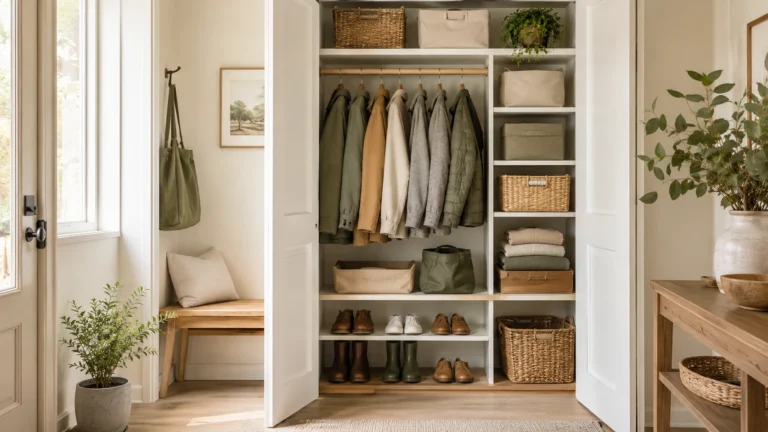
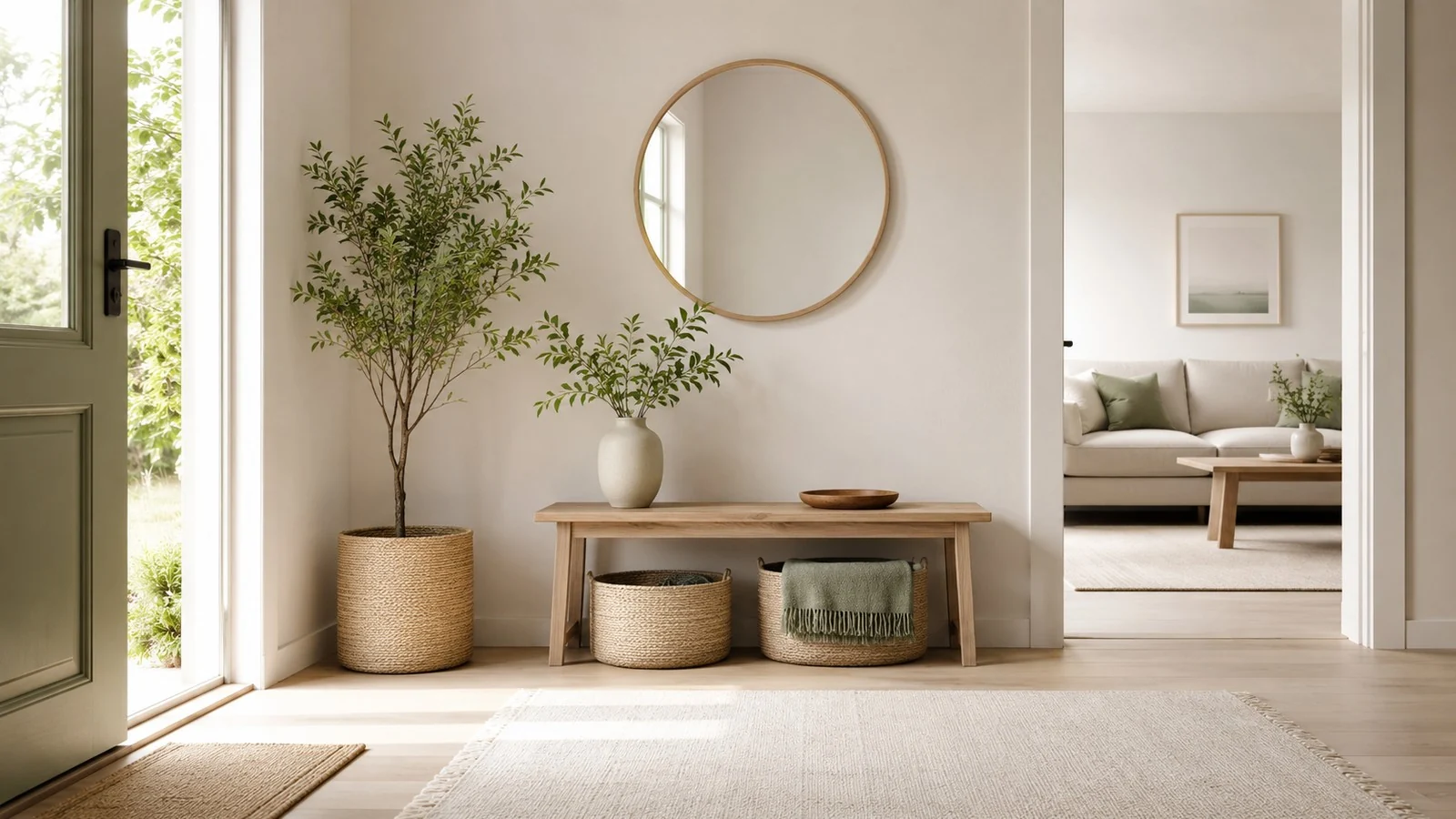
Remove shoes that are rarely worn, expired coupons, old receipts, damaged umbrellas, and items that have accumulated near the door without a clear purpose.
Keep only what supports your normal leaving-and-arriving routine.
Living Room
Start with visible surfaces. Remove old magazines, unnecessary decorative objects, broken electronics, and items that belong elsewhere.
Then review storage furniture. A cabinet can appear tidy while still being filled with things nobody uses.
Kitchen
The kitchen often contains duplicates. Review utensils, mugs, food-storage containers, small appliances, pantry items, and cookware.
Keep enough for the way your household actually cooks and eats. Dispose of expired food and recycle packaging where appropriate.
Bathroom
Remove empty bottles, expired products, worn towels, duplicate samples, and items you stopped using.
Be particularly careful with medications and personal-care products that require specific disposal methods. Follow local guidance rather than placing them in household waste when special disposal is required.
Bedroom
Begin with the floor, bedside tables, and dresser tops. Then move to clothing.
Ask whether each item fits, is comfortable, is in usable condition, and realistically belongs in your current life.
Closet
Work by category rather than pulling everything out at once. For example, review shirts first, then trousers, then outerwear.
This prevents the project from becoming so large that you have to abandon it halfway through.
Home Office and Paperwork
Recycle obvious junk mail and duplicates. Separate documents that require action from those that need long-term storage.
For sensitive documents, use an appropriate shredding or secure disposal method.
Laundry and Utility Areas
Remove empty containers, damaged cleaning tools, unmatched items that are no longer useful, and products you do not use.
Keep frequently used supplies accessible and avoid storing more than the space can comfortably hold.
How to Decide What to Keep
When a decision is difficult, ask practical questions:
- Do I use this?
- Would I buy it again today?
- Does it fit my current needs?
- Do I have another item that serves the same purpose?
- Is keeping it worth the storage space it requires?
Do Not Organize Before You Declutter
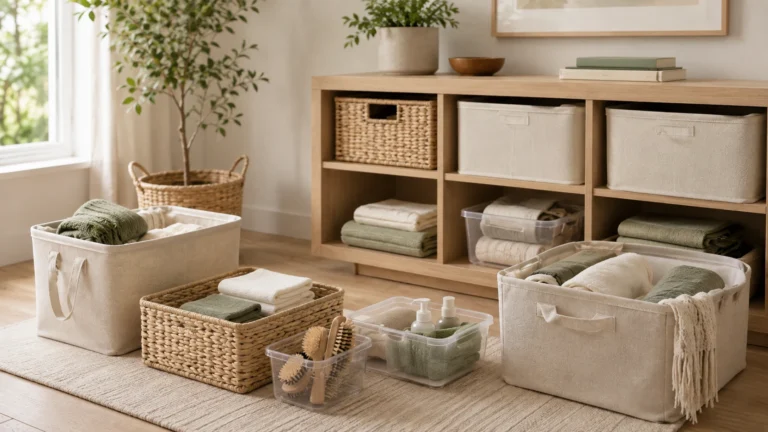
Buying containers before deciding what to keep often hides the problem rather than solving it. Reduce the volume first. Once you know what remains, choose storage that fits those items and the available space.
Use Short Decluttering Sessions
You do not need to complete an entire room in one day. Try 15 to 30 minutes and stop at a logical point. Small, finished sessions are more useful than creating a large unfinished mess.
Remove Donations Promptly
Once you decide to donate or give something away, move it out of the home as soon as practical. Bags that remain in a hallway for weeks are still clutter.
Keep the decision categories moving
Use a labeled bag for donations and a separate place for items awaiting another household member’s decision. Write down who will decide and when you will return to that small group. Avoid creating an unlimited miscellaneous pile.
When an object has no permanent home, decide whether it supports the room’s purpose before searching for storage. A new container can organize the remaining items after that decision. Leave access to doors, furniture and everyday supplies clear when you finish.
Browse more practical Tidy Home Lab guides for this part of your home.
Explore Decluttering →Related Guides