Organize a Small Kitchen Around Preparation, Cooking and Cleanup
A small kitchen needs easy access to the tasks you repeat, not a container for every object. Map the places where you prepare food, cook and clean up, then give the everyday tools the storage nearest those tasks.
A small kitchen needs easy access to the tasks you repeat, not a container for every object. Map the places where you prepare food, cook and clean up, then give the everyday tools the storage nearest those tasks.
Build three practical work zones
| Zone | Keep within convenient reach | Review if space is tight |
|---|---|---|
| Preparation | Your regularly used board, knife and mixing tools | Duplicate gadgets and occasional equipment |
| Cooking | Frequently used pans and cooking utensils | Bulky pieces used rarely |
| Cleanup | Dish tools and compatible cleaning supplies stored safely | Unrelated backups and empty packaging |
Start by Removing What Does Not Belong
Before reorganizing, take out anything that should not be in the kitchen or that you rarely use. Duplicates, novelty gadgets, expired pantry items, and mismatched containers often fill valuable space.
Organizing clutter only hides the problem. Reducing unnecessary items makes the rest of the process easier.
Create Simple Work Zones
Even a small kitchen functions better when similar items are grouped together. Basic zones might include:
- Cooking tools near the stove
- Food prep tools near the main work surface
- Dishes near the dishwasher or sink
- Breakfast items in one cabinet or tray
- Cleaning supplies near the sink, stored safely
Zoning helps you find what you need quickly and keeps items from spreading everywhere.
Keep the Countertop as Clear as Possible
Counter space is especially important in a small kitchen. Keep only the items you use often and that genuinely save time by staying out. Everything else should be stored away if practical.
A less crowded counter makes the whole room feel larger and easier to clean.
Use Vertical Space Carefully
When cabinet space is limited, vertical storage can help. Shelf risers, stackable bins, slim rolling carts, or the inside of a cabinet door may create extra room.
Use these tools selectively. Too many add-ons can make a small kitchen feel visually busy.
Store by Frequency of Use
Items used daily should be the easiest to reach. Less-used items can go higher up, lower down, or farther back.
For example:
- Everyday plates and bowls in the easiest cabinet
- Special bakeware in a higher shelf
- Holiday serving pieces in the least accessible storage spot
Use Bins and Trays to Group Small Items
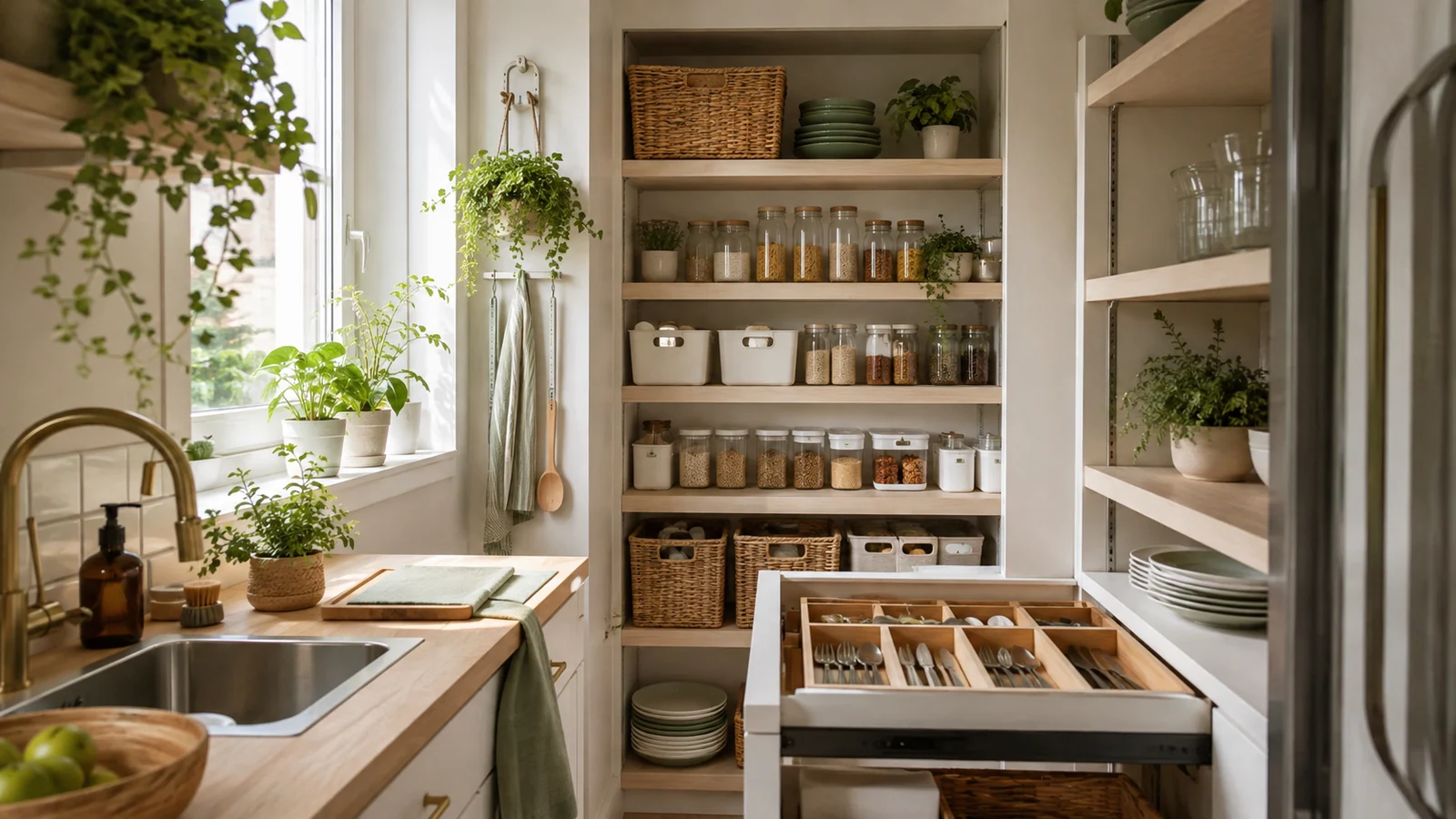
Bins can be helpful in pantries, under the sink, and in deep cabinets. Trays can contain oils, spices, or coffee supplies. Grouping prevents small items from scattering and makes it easier to remove a category all at once when cleaning.
Give Drawers a Clear Job
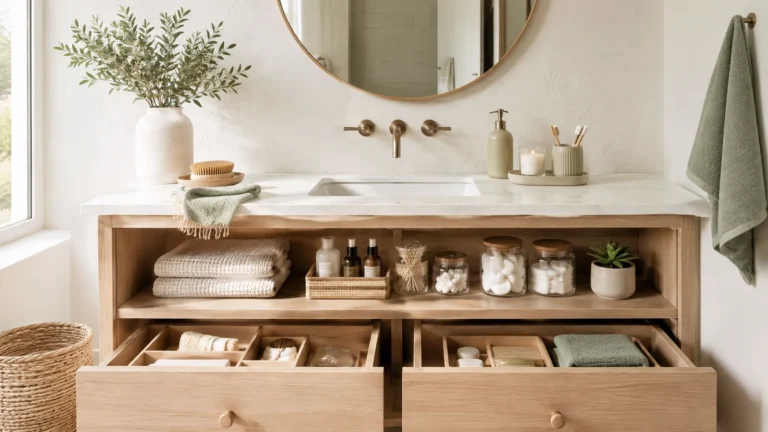
Small kitchens benefit from simple drawer categories. Instead of mixing many unrelated things in the same drawer, keep one drawer for utensils, one for wraps and storage tools, and one for small cooking tools when possible.
Drawer dividers can help, but only if they make the drawer easier to use.
Be Realistic About Pantry Space
If you store food in the kitchen, keep like items together and avoid overbuying when storage is limited. Use baskets or clear bins for categories such as snacks, baking ingredients, canned goods, or breakfast items.
Labeling can help if it keeps the system consistent, but it is not required for every home.
Organize Under the Sink with Safety in Mind
This area often becomes crowded quickly. Keep it simple by limiting it to what you actually use and storing products safely, especially in homes with children or pets.
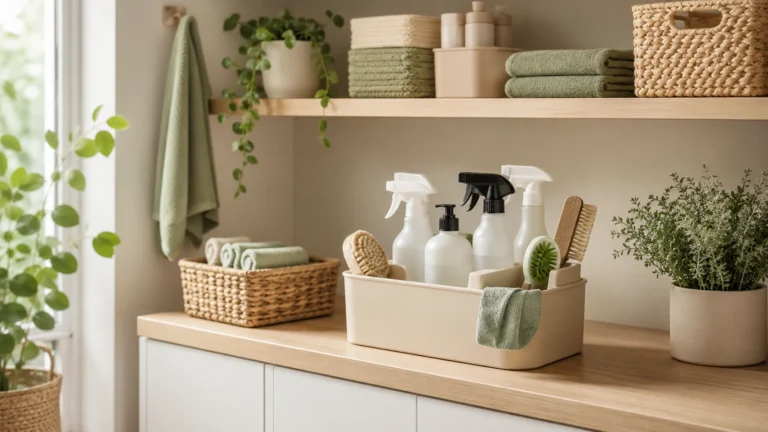
A small bin or caddy can keep cleaning supplies grouped and easier to remove.
Use the Refrigerator Intentionally
A small kitchen feels more organized when the refrigerator is not overstuffed. Group items by type, check leftovers regularly, and use bins only if they genuinely make the space easier to manage.
Habits That Keep a Small Kitchen Organized
- Put groceries away by category
- Return dishes and tools to their home promptly
- Do a short weekly reset
- Remove expired pantry and refrigerator items regularly
- Reevaluate crowded cabinets before buying more organizers
What to Avoid
- Buying many organizers before decluttering
- Keeping too many appliances on the counter
- Using complex systems that are hard to maintain
- Assigning storage spots that are inconvenient for daily use
Measure access as well as shelf space
Before adding a rack, open the surrounding doors and drawers. Check whether the new organizer prevents a pot coming out, blocks a pipe or leaves too little room for hands. An object that fits on a shelf may still be inconvenient to retrieve.
Try a temporary arrangement with what you already own. After preparing and cleaning up a normal meal, note where you had to cross the room or move several items. Those moments are better clues for the final layout than a photograph of an empty kitchen.
Browse more practical Tidy Home Lab guides for this part of your home.
Explore Organizing →Related Guides